How Search Engines Work: A Beginner-Friendly Guide

Complete Guide to SEO: What Is SEO & What Is SEO Service
Search Engine Optimization (SEO) is the backbone of modern digital marketing. Whether you run a small business, a large brand, or a personal blog, SEO helps your website appear on top of search engine results, attract organic traffic, and convert visitors into paying customers.
This guide explains what is a SEO, how it works, what types of SEO exist, and what businesses get under what is SEO service packages.
What Is SEO?
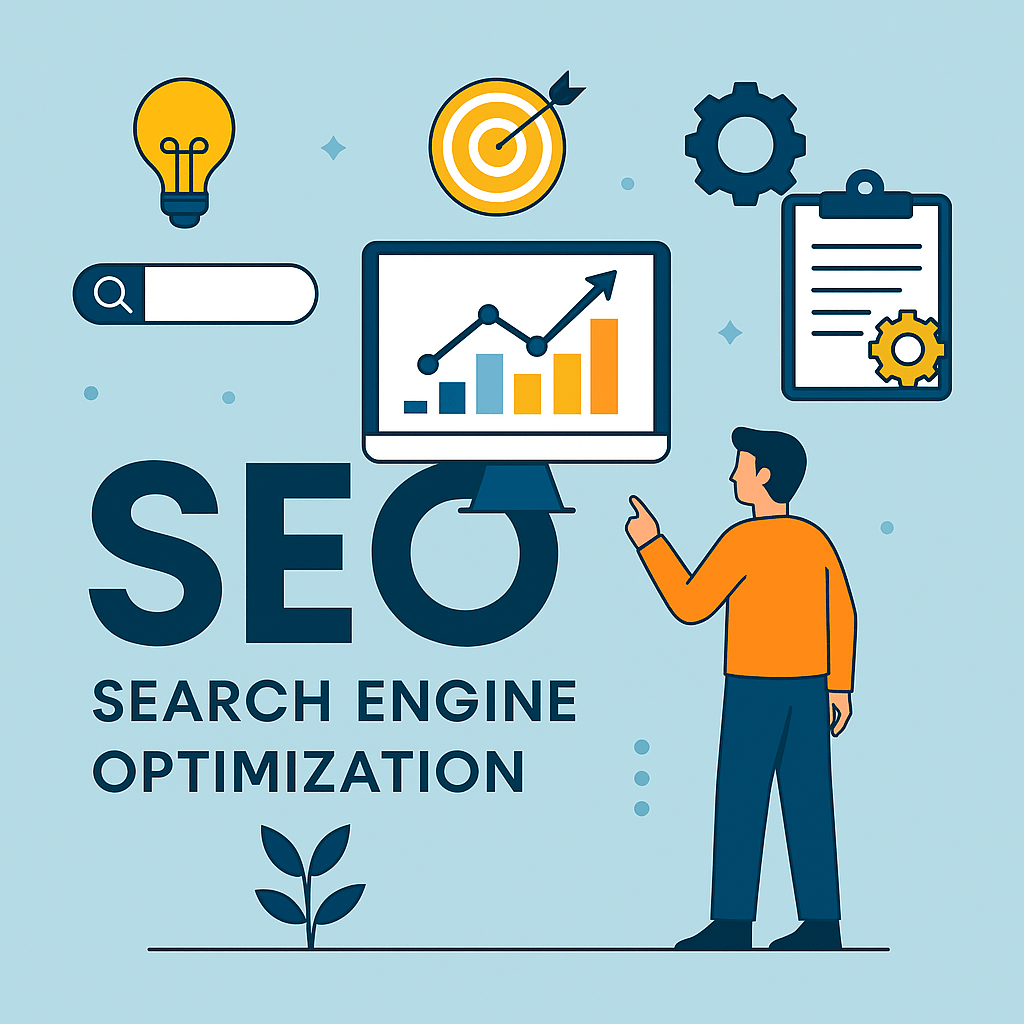
SEO (Search Engine Optimization) is the process of improving your website’s structure, content, and overall performance to increase its visibility on search engines like Google, Bing, and Yahoo.
When users search for something related to your business, SEO ensures your website appears on the first page—because the higher you rank, the more clicks you receive.
Your primary keyword used: what is a SEO
Why Do We Need SEO?
SEO is important because:
It increases your website’s visibility
Brings organic (free) traffic
Improves user experience
Builds trust and authority
Helps you beat competitors
Increases sales, leads, and brand awareness
Imagine two websites selling the same product.
If website A ranks at Position 1 and website B at Position 45, Website A will capture almost all traffic. Without SEO, you lose customers every single day.
Basics of SEO
The core pillars of SEO include:
Keyword Research
Quality Content
On-Page Optimization
Technical SEO
High-Quality Backlinks
User Experience (UX)
Analytics & Monitoring
How Does SEO Work?
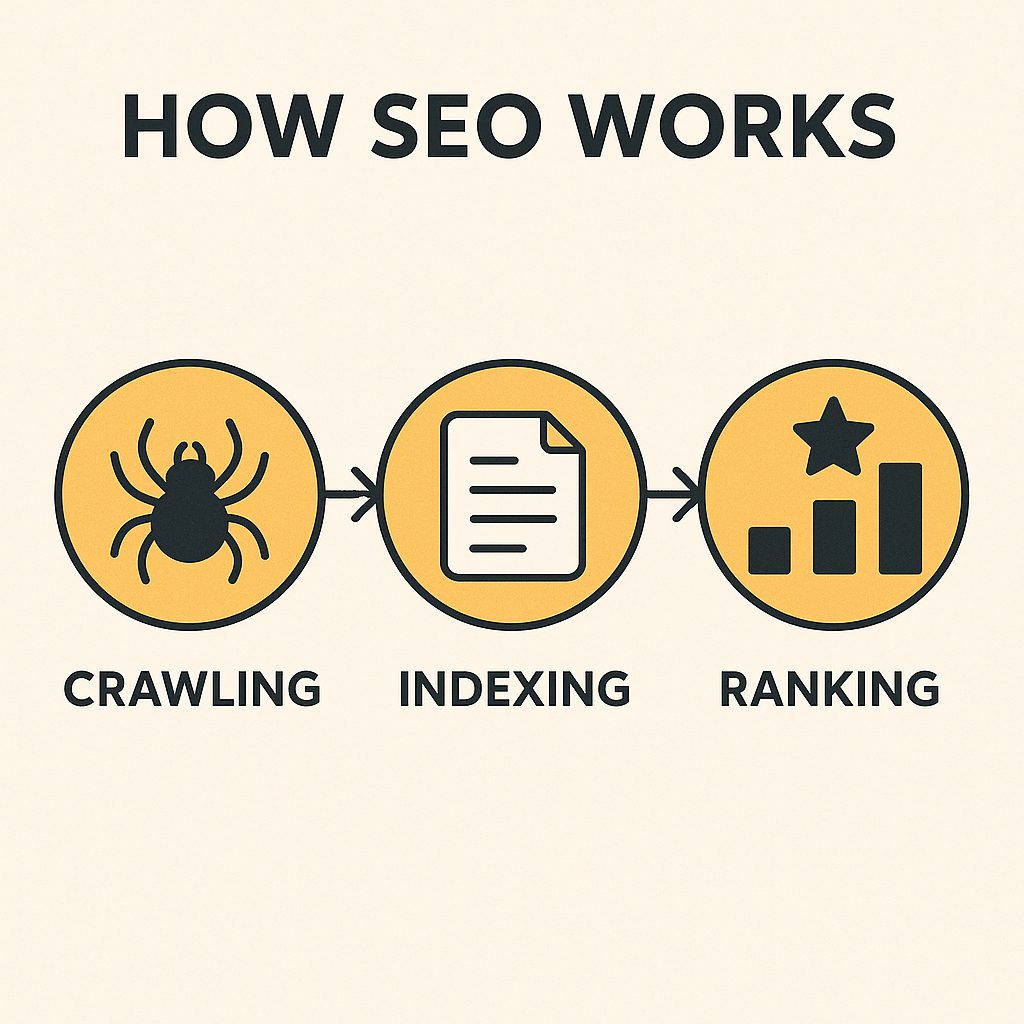
SEO works through three main processes:
1. Crawling
Search engines use bots to scan your website.
2. Indexing
Your pages are stored in Google’s database.
3. Ranking
Google’s algorithm decides where your page should appear based on:
Keyword relevance
Content quality
Backlinks
Page speed
Mobile friendliness
User experience
When your content satisfies user intent, Google ranks you higher.
What Is SEO Service?
A standard SEO service includes:
Website audit
Keyword research
Competitor analysis
On-page optimization
Content creation
Technical SEO fixes
Link building
Local SEO setup
Monthly reporting
Performance tracking
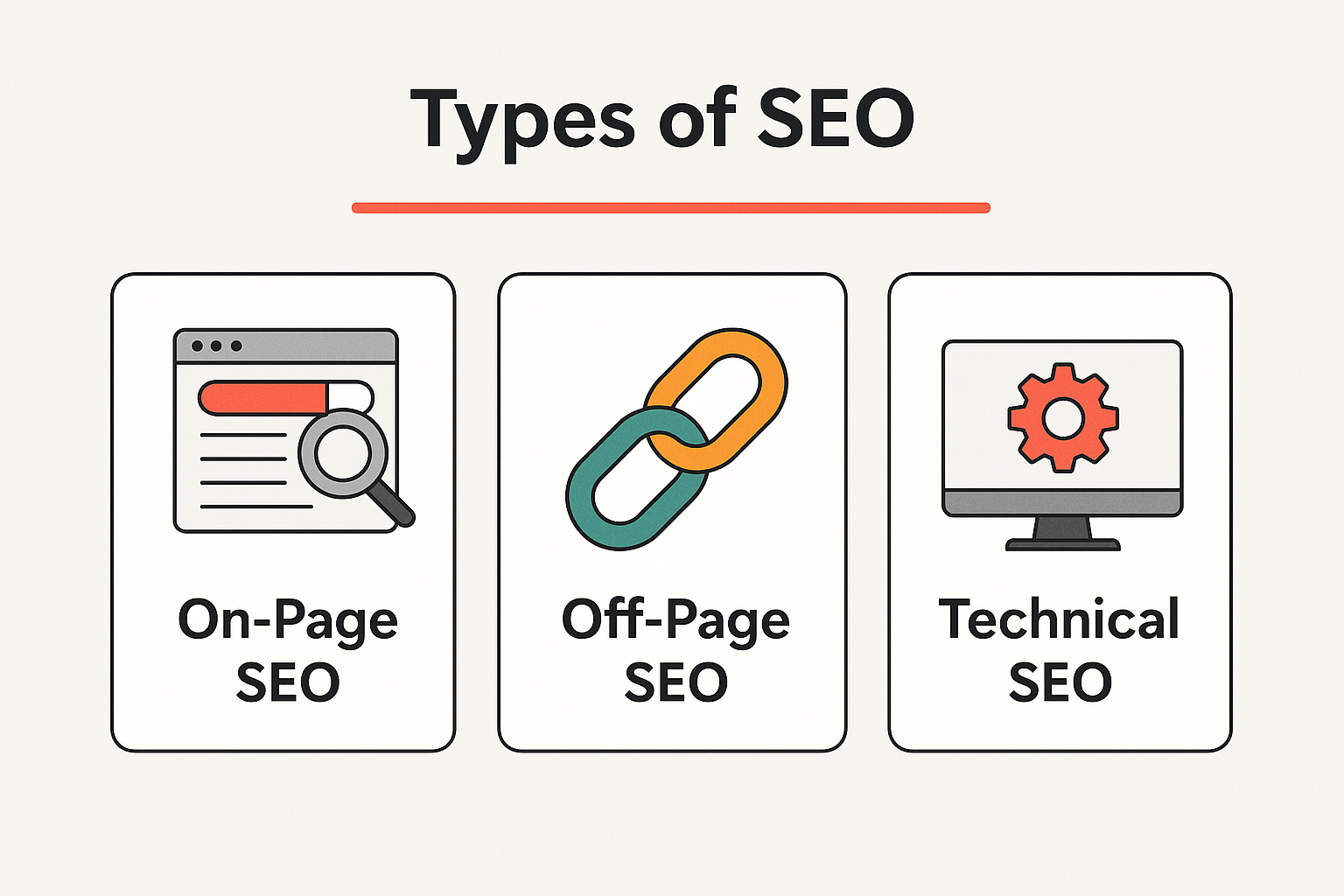
Types of SEO
SEO is divided into different categories:
On-Page SEO
Optimization done inside your website:
Title & meta tags
Header tags (H1–H6)
Internal linking
Keyword optimization
Image optimization
Content quality
Off-Page SEO
Optimization done outside your website:
Backlink building
Brand mentions
Social signals
Guest posting
Technical SEO
Improving website performance:
Website speed
Mobile friendliness
Schema markup
Crawlability
XML sitemap
Robots.txt
Conclusion
Understanding what is a SEO is essential for anyone serious about digital growth. SEO is not a one-time activity—it’s an ongoing strategy that builds visibility, trust, and long-term success.
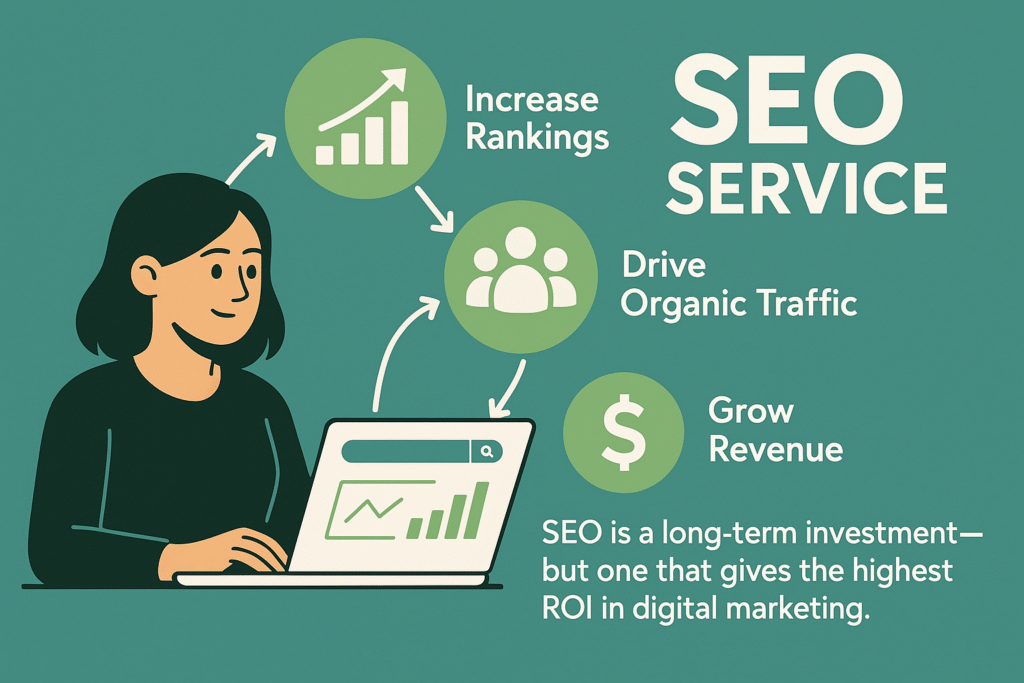
If you’re running a business and want expert help, knowing what is SEO service helps you choose the right agency that can increase rankings, drive organic traffic, and grow your revenue.
SEO is a long-term investment—but one that gives the highest ROI in digital marketing.
FAQs
1. What is a SEO in simple words?
SEO means optimizing your website so it appears higher on Google and gets more organic traffic.
2. What is SEO service?
SEO service is a professional package where experts optimize your website to boost rankings and traffic.
3. How long does SEO take?
Normally 3–6 months depending on competition and website quality.
4. Is SEO better than Google Ads?
SEO gives long-term free traffic.
Google Ads gives instant but paid traffic.
Both together work best.
5. Can I do SEO myself?
Yes, but mastering it takes time. Most businesses prefer hiring SEO professionals.
6. Is SEO still important in 2025?
Yes. As long as people search on Google, SEO will remain one of the most important digital skills.